
Skip to content
Shasai Studio
Confidentiality

We do not publish client work.

Client work is confidential, so this page describes the practice instead: what is never published, the order an engagement runs in, and what a client ends up holding.

Private by default

Privacy here is a rule, not a favour.

A studio that will show one client's work will show yours. These are what follow from the other position, and they hold for every engagement — signed or not, from the first conversation.
  • No client is named

    No client name, no logo, no project title and no photograph taken inside a client's business appears anywhere on this site. Work is shown in a meeting or on a call, where the client can hear exactly what is being said about them, rather than on a page they did not write and cannot edit.

  • What you tell us stays here

    Budgets, timelines, supplier names, audience data, and what the systems looked like before anybody agreed to change them. None of it is published, and none of it is discussed outside the people working on your project.

  • Confidentiality comes before the brief

    If you would rather not describe the project before an agreement is in place, we sign a mutual non-disclosure agreement first — yours or ours. Being asked for one is not treated as a difficult client; it is treated as a business that has thought about it.

  • The terms are written down before work starts

    What is being made, what it costs, when it is delivered, in what formats, who holds the source files, and what happens to all of it at the end. Agreeing that in writing is also what turns a confidentiality promise into something enforceable rather than merely polite.

  • References are given quietly

    If it would help to speak to somebody we have worked with, we ask them first and put you in touch directly. Whatever they choose to say is theirs to say, rather than a sentence we selected and printed on a page.

  • The photographs here are not client work

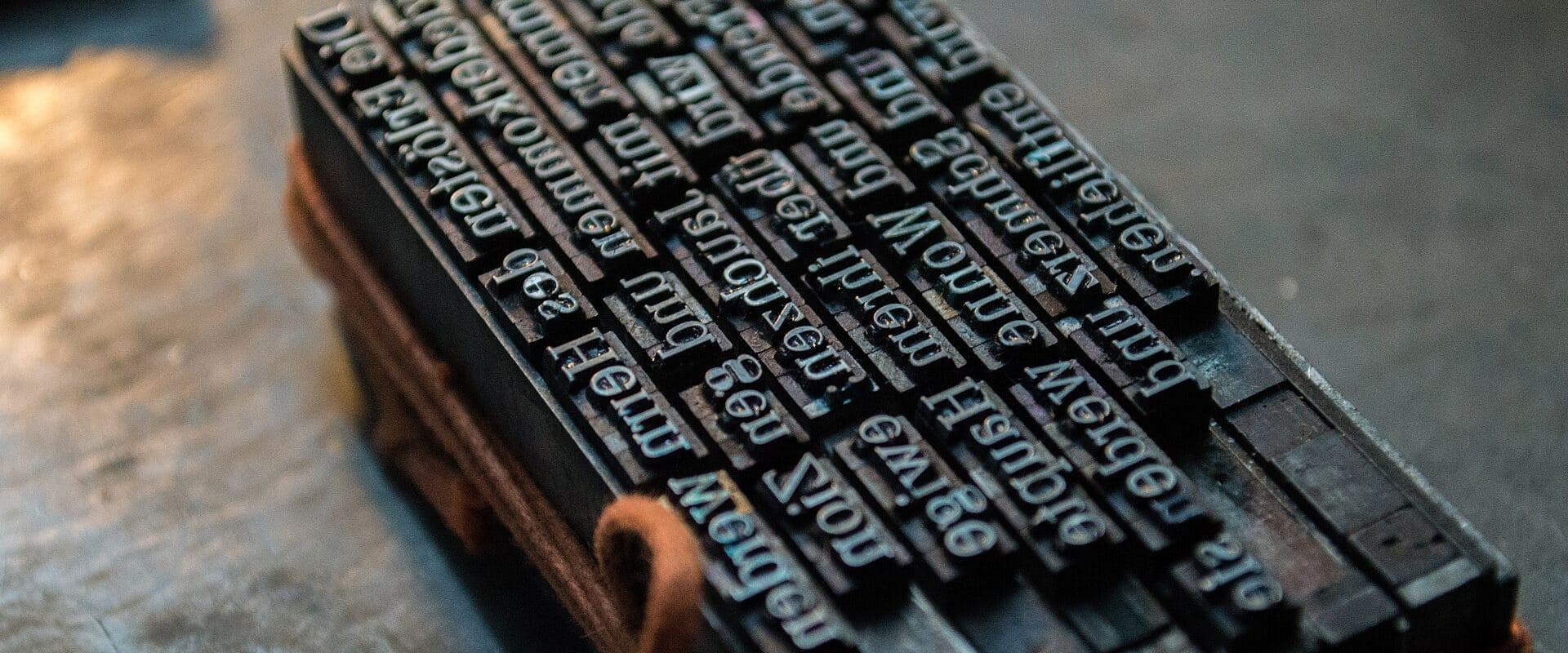
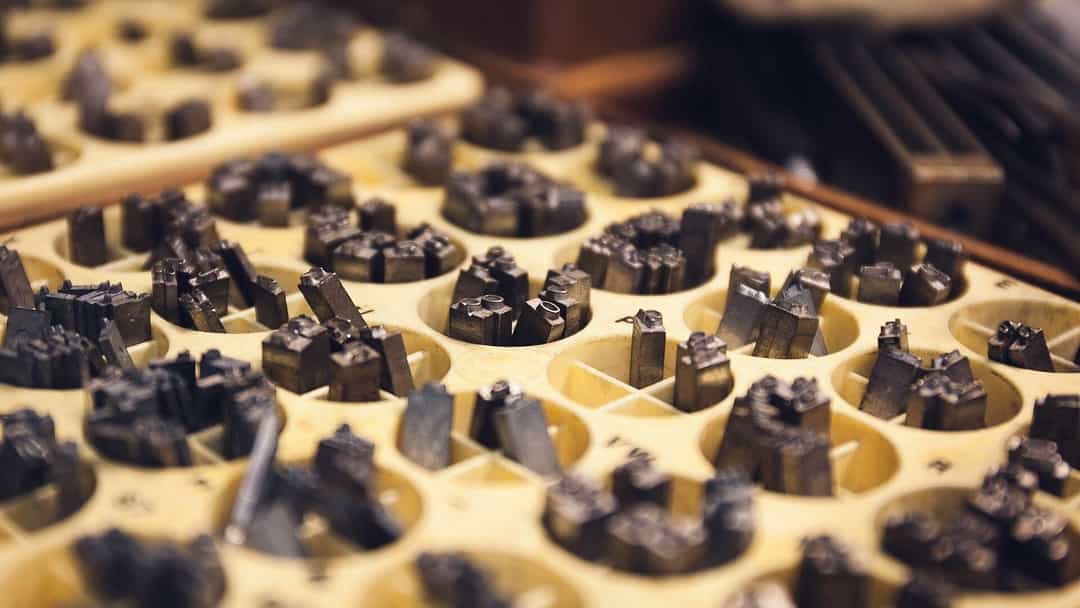
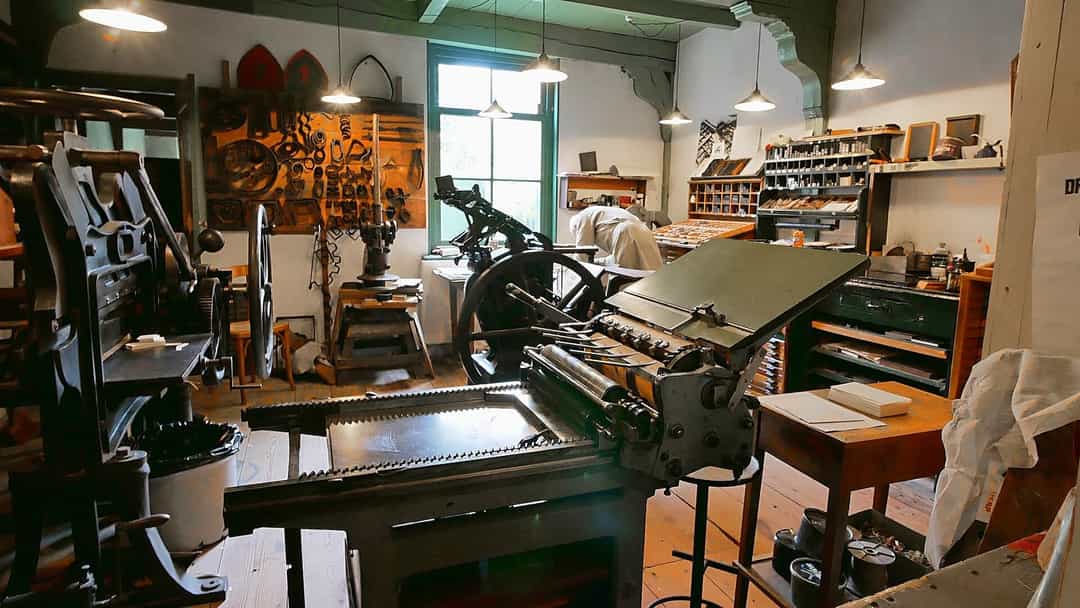
    Every photograph on this site is a licensed placeholder of the craft — type, presses, ink, paper — credited file by file in the repository. None of it is a client's campaign, and none of it is presented as one.

How we work

The order an engagement runs in.

Five stages, the same on every project whatever it draws on from the six service lines: a brief turned into an agreement, an agreement turned into work, and work turned into something your team can hold.
  1. 01

    The first conversation

    What the business needs, what has already been tried, and what a good outcome would look like. It costs nothing, and it is where we say whether we are the right studio for it — including when the honest answer is that the work is smaller than a studio, or belongs with somebody else.

    What you have afterwards

    The problem restated in your own words, and a first view from us on how it would be approached.

  2. 02

    Scope, in writing

    The approach, the deliverables, the timeline, the cost and the confidentiality arrangement, written down before anything is designed or built. Scope is where projects go wrong quietly, so it is agreed in a document you can hold us to rather than in a conversation nobody can find later.

    What you have afterwards

    One document covering what will be made, what it costs, when it arrives and who owns what.

  3. 03

    The work itself

    Strategy, message and design, made by the people who scoped it rather than briefed out and reconciled afterwards. You see the reasoning alongside the artwork, at agreed points rather than in one reveal at the end, so decisions are made on the argument and not on taste.

    What you have afterwards

    Approved work, and the reasoning behind each decision in it, with nothing arriving as a surprise at the end.

  4. 04

    Production and build

    Printing, merchandise, large format, websites and applications, produced or built by the studio that designed them — at the stock, specification and page weight they were approved at, so what was signed off is what actually arrives.

    What you have afterwards

    The physical pieces in hand and the digital ones live, made to the specification they were signed off at.

  5. 05

    Checked, handed over, kept

    Anything taking payments, holding customer data or issuing logins is tested before it is public, and the findings are closed rather than filed. Then the files, the documentation and the access your team needs are handed over, and the support arrangement — including the part of the work that comes round every year — starts.

    What you have afterwards

    Source files, documentation and access in your hands, and one point of contact for what comes after.

Questions about confidentiality

  • Can we see examples of your work?

    In a meeting or on a call, yes: where the client is willing, we show specific pieces and explain the decisions in them, and we will introduce you to a client directly. On this website, no — and that is a choice rather than an empty portfolio. Every photograph here is a licensed placeholder of the craft, credited in the repository, so that nothing on this site can be mistaken for work we did for somebody else.

  • Who have you worked with?

    We describe the kinds of business we work with and the problems we are usually brought in for, and in a conversation we can be specific about the shape of that work. What we do not publish is a client list or a wall of logos: a name on a website is an advertisement the client did not necessarily ask for, and permission to use it is theirs to give rather than ours to assume.

  • Will you sign a non-disclosure agreement?

    Yes — a mutual one, before you say anything you would rather keep to yourself, and on your paper rather than ours if you have a template. Nothing about a project is published or discussed outside it either way; the agreement makes that answerable rather than a matter of trust.

  • What happens to our files and our data?

    Material made for you is handed over: the working files, the master artwork, the code and the documentation your team needs to use it without us. Anything of yours still held when a project ends — including access to accounts and systems, and the credentials we were given — is returned, revoked or deleted at your instruction.

  • Do you write about the work you do?

    No. The articles on this site are written from the questions we are asked, never from a client's project, and no example in them is a shortened version of somebody's campaign. Where a client is happy to be written about, that announcement is theirs to make in their own words, not ours to pre-empt.

Next step

Tell us what you are working on.

Describe the outline and we will reply with how we would approach it, what it would take, and what we would need from you. If you would rather not describe it yet, a mutual NDA can be in place first.